Trends in German Beer Industry 2025
Sustainability, health-conscious options and new technology are changing German beer in 2025. See what is shaping the industry this year.
The German beer industry is undergoing significant transformations in 2025, influenced by evolving consumer preferences, environmental challenges, and technological advancements. These trends are reshaping the landscape of German brewing, highlighting a shift towards sustainability, innovation, and health-conscious choices.
Sustainability and Environmental Responsibility
Sustainability has become a cornerstone of the German beer industry. Breweries are increasingly adopting eco-friendly practices, such as utilizing renewable energy sources, implementing water conservation measures, and reducing waste. For instance, the Society of Hop Research in Munich is developing new hop varieties capable of withstanding rising temperatures and droughts, ensuring the resilience of traditional beer flavors amidst climate change.
Rise of Non-Alcoholic and Low-Alcohol Beers
Health-conscious consumers are driving the demand for non-alcoholic and low-alcohol beers. Brands like Weihenstephan, the world's oldest brewery, have responded by producing alcohol-free versions of their classic beers, catering to those seeking the taste of beer without the effects of alcohol. This trend is also evident at events like Munich's Oktoberfest, where alcohol-free options are now prominently featured, allowing attendees to enjoy the festival without the typical aftereffects.
Technological Integration in Brewing
The integration of technology is revolutionizing the brewing process. Breweries are employing artificial intelligence (AI) and automation to enhance production efficiency and product quality. AI-powered tools are used for predictive analytics, helping brewers anticipate trends and optimize brewing processes. Additionally, IoT-enabled sensors monitor every stage of production, from fermentation to packaging, ensuring optimal conditions for beer quality.
Emergence of Hybrid Beverages
Breweries are experimenting with hybrid beverages that blend beer with other drinks, creating innovative products that appeal to adventurous consumers. These include beer cocktails, where beers like IPAs and stouts are mixed with spirits, herbs, and fruits, and beer-infused spirits, combining the complexity of beer with the high alcohol content of spirits. This trend reflects a broader movement towards diversification and creativity in the beverage industry.
Focus on Local and Authentic Products
There is a growing appreciation for locally sourced and authentic beers. Consumers are gravitating towards craft breweries that produce small-batch beers using local ingredients and traditional brewing techniques. This shift supports regional agriculture and offers consumers unique flavors that reflect the local terroir. Brands like Erdinger and Krombacher have introduced alcohol-free versions of their popular beers, providing options for those looking to enjoy a refreshing drink without the effects of alcohol.
Did you know…?
The Society of Hop Research in Munich is developing new hop varieties capable of withstanding rising temperatures and droughts, ensuring the resilience of traditional beer flavors amidst climate change.
Related Posts
European Beer Market Statistics 2025
Growing demand for craft and premium beers and a focus on sustainability are changing Europe's beer market in 2025. Here are the key trends.
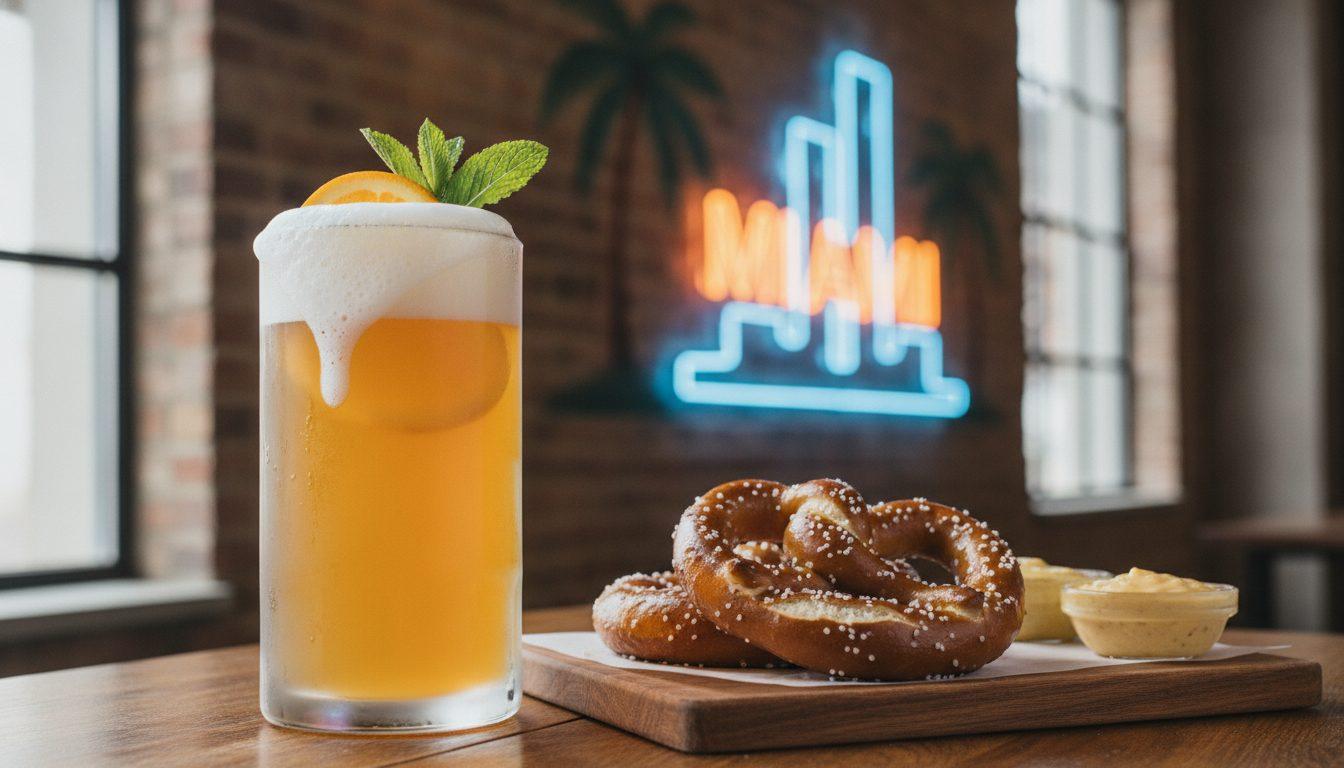
From Germany to Miami: Tap Beer Miami
From Germany to Miami, Tap Beer Miami offers a rich European beer tradition with authentic brews and a vibrant atmosphere for craft beer lovers.
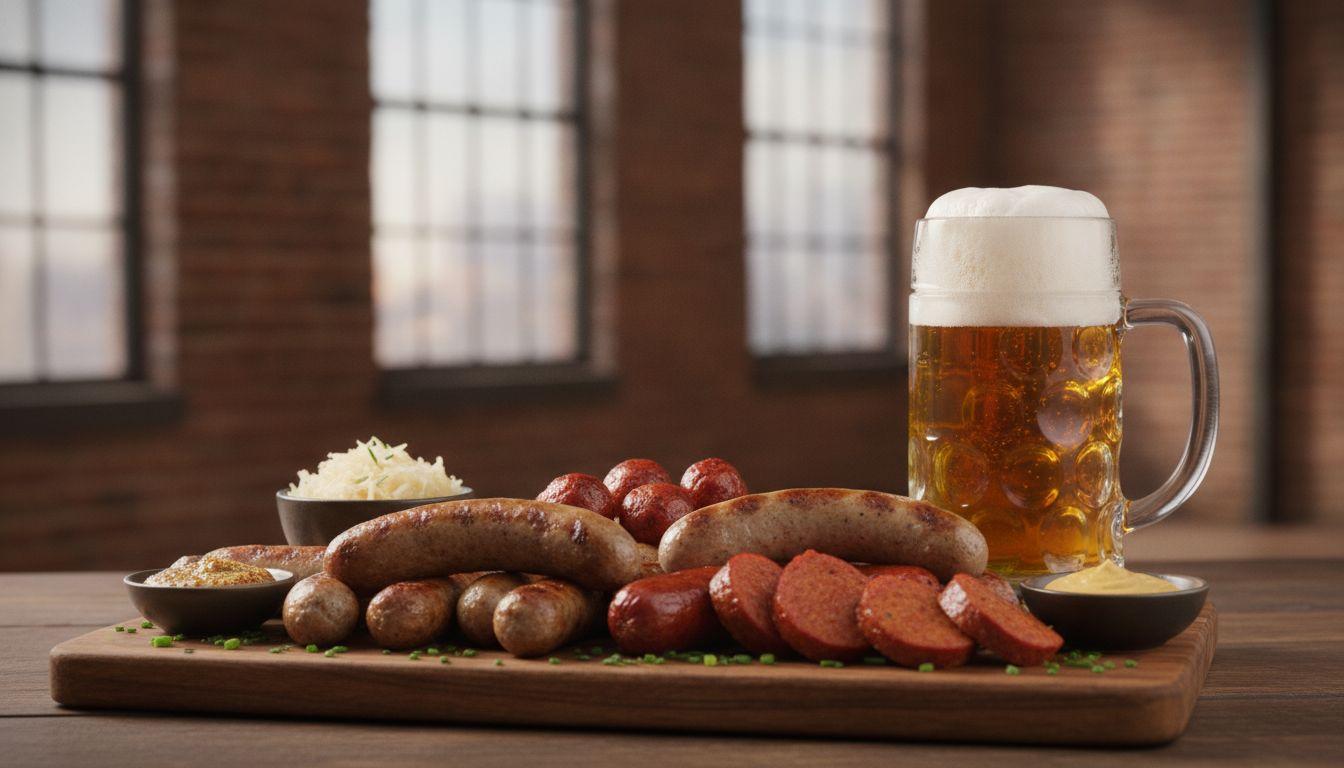
German Feast! Tap Beer Miami's Must-Try Sausages
Craving a slice of European beer culture in South Florida? Try must-try German sausages with a cold, classic beer.